
The artisans we work with are the continuation of Korea’s metalwork legacy and artistry
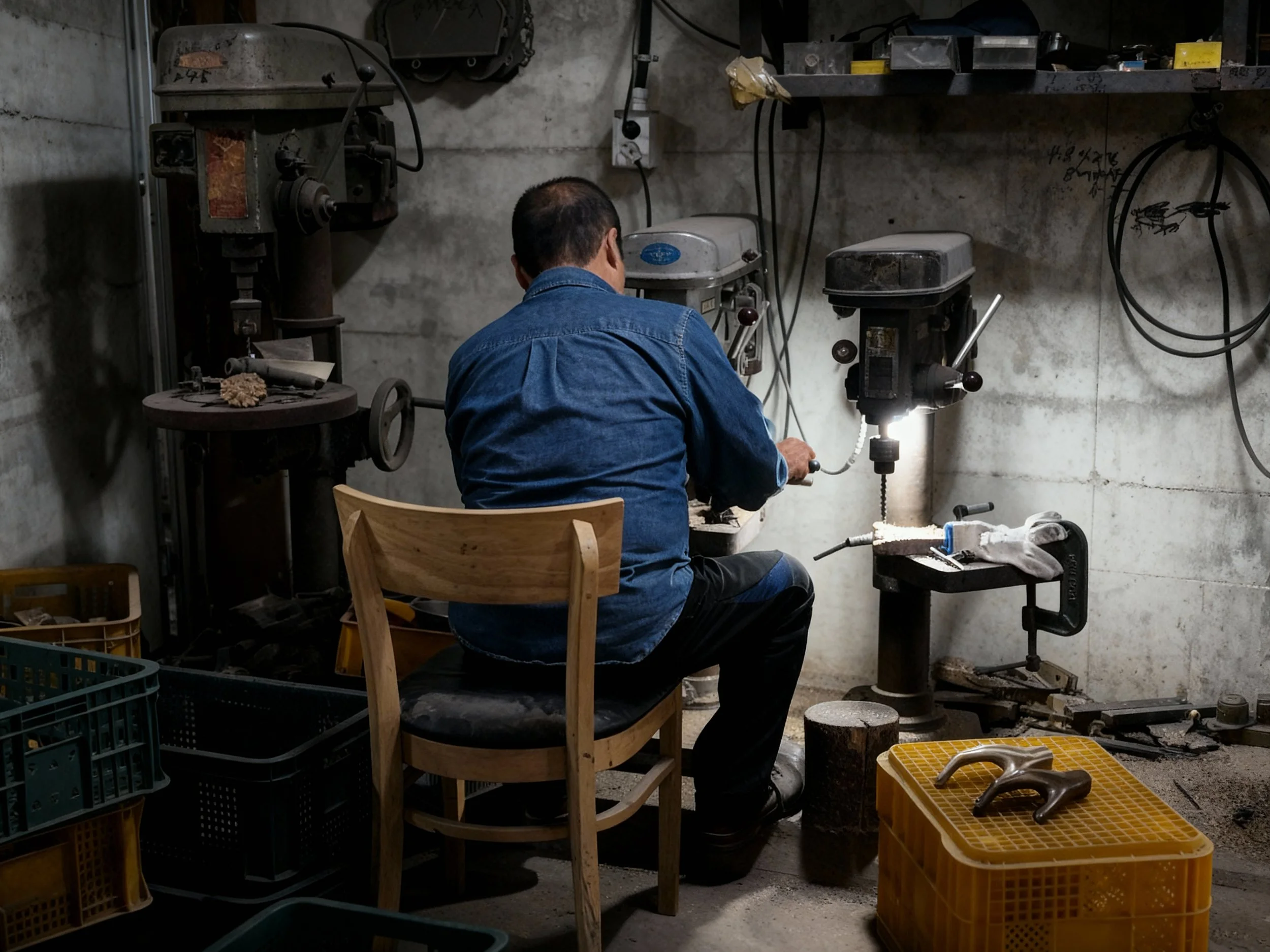
Many began learning as children, watching their fathers and uncles work in small workshops filled with heat, sound, and repetition. For them, brasswork was not a career choice in the modern sense. It was a way of life that unfolded naturally through proximity, observation, and time.
These workshops have been active for decades, some for more than seventy years. Skills were passed down not through manuals, but through daily practice. How to read the metal by its color. How to adjust heat by instinct. How to know when a piece is finished not by measurement, but by feel.
Their work is entirely handmade. Brass is cast, poured, welded, and finished using techniques refined over a lifetime. Every step requires attention and judgment. No two pieces are exactly the same, because no two moments at the bench are the same.

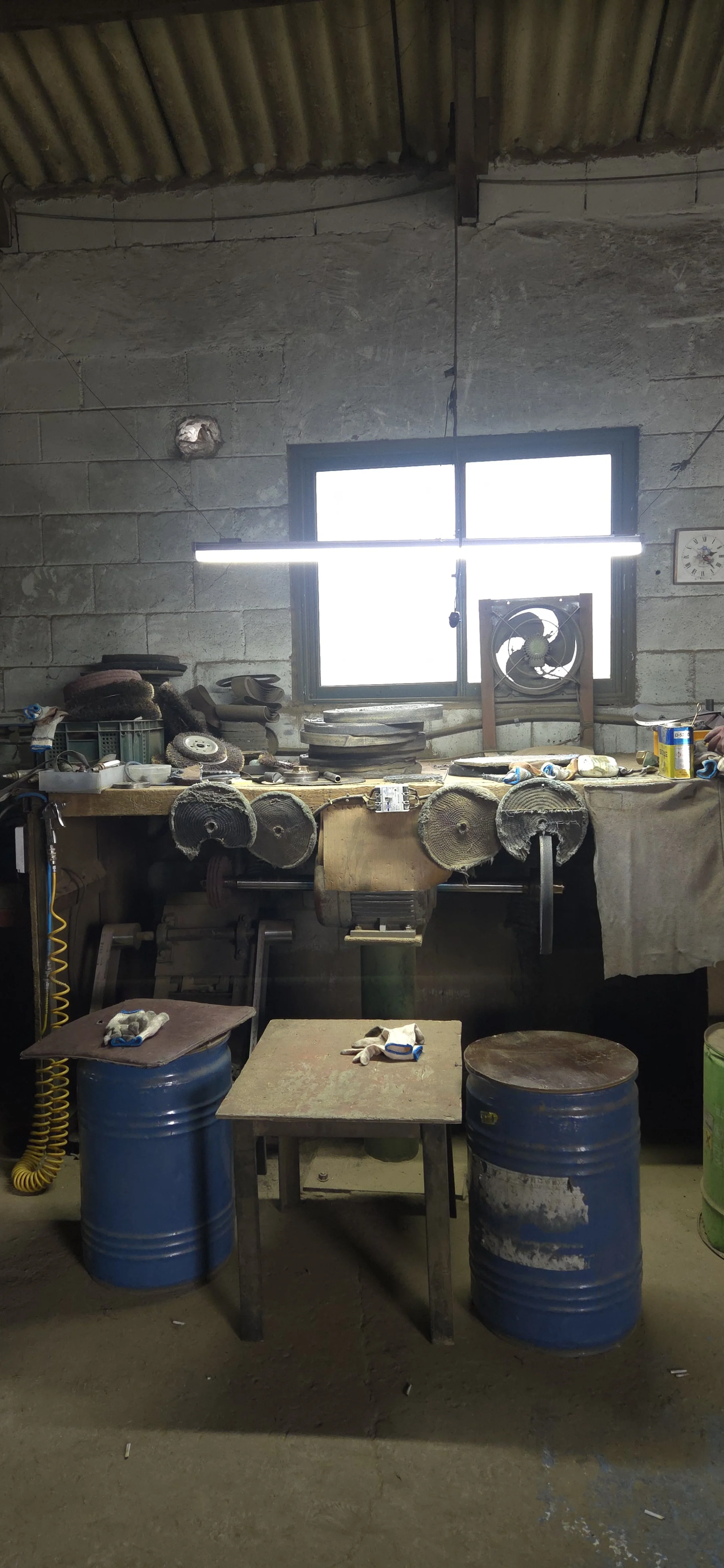
“I did not start out knowing anything. I grew up watching my father work, helping here and there as I got older, and over time this naturally became my own path. You cannot really teach this work in steps. You learn by doing it yourself and by feeling the material.”
- by an artisan at 대정금속
Today, only a small number of these artisans remain. As industrial production replaced handcraft and younger generations moved toward different paths, many workshops closed quietly. Those who continue do so out of dedication, not demand.
Their work is precise and deeply considered, shaped by repetition and time rather than trends. Each decision is made at the bench, guided by experience and feel. What matters most to them is not how the work is presented, but how it holds up in use, how it feels in the hand, and how it carries forward the standards they were taught.
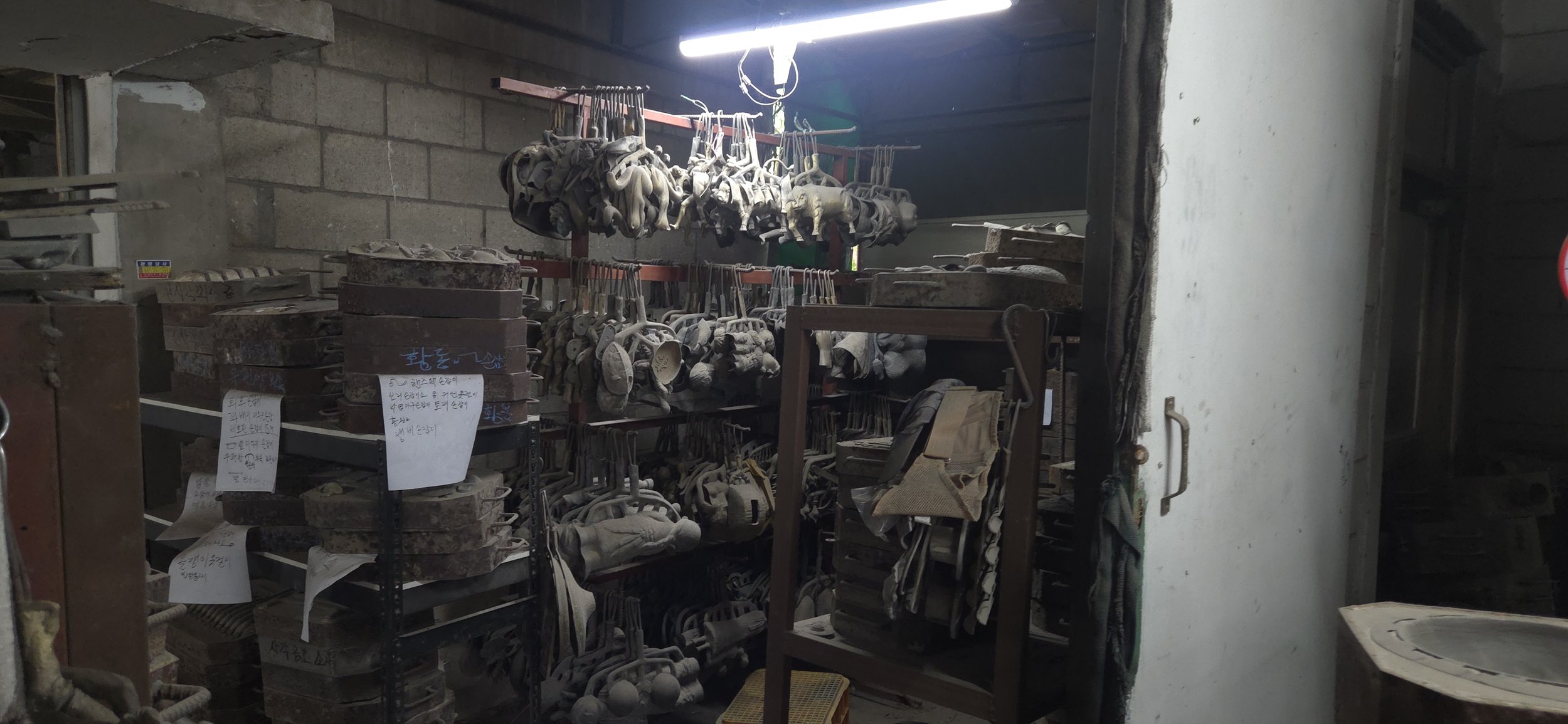
Through deep conversations with the artisans, one request was made clear. They do not seek the spotlight. Many prefer to meet the world through their work rather than through personal recognition. The product itself is how they speak, how they connect, and how they take pride in what they do.
At Greego, our role is not to change how they work. It is to support it. We collaborate closely with each artisan, respecting their methods, timelines, and standards, while creating a bridge between their workshops and designers around the world who value authenticity, craft, and material honesty.